
AI-enabled processors could drive a PC supercycle this year by significantly boosting performance and enabling advanced applications. This innovation is expected to stimulate demand in both consumer and enterprise markets

Jun 24, 2024
AI Insights
Artificial intelligence (AI) has heralded the start of a technological revolution. This frenzy questions whether AI will, in the next year or two, set in motion a desktop and laptop “supercycle.”
A supercycle period is marked by a significant surge in PC sales and upgrades, driven by compelling advancements in technology that persuade consumers and businesses to update their hardware at an accelerated pace.
Given the flattening of overall sales since Covid-19 ended, the PC industry could sure use it.
Like any transformational technology, AI’s effects on consumer and corporate markets are complex and require a comprehensive analysis.
Prominent PC CEOs have shown off new notebook PCs with AI-embedded mobile processors for months. Intel, AMD, and Qualcomm are incorporating this new technology into their products this year and beyond.
Many industry experts predict AI PCs will start a supercycle upgrade phenomenon in the second half of the year when more AI PCs hit the market. But is this likely?
Recently, Intel and its partners showcased AI PCs equipped with on-device generative AI capabilities for enhancing photographs, movies, and presentations. These devices also feature real-time language and speech translation, effectively eliminating communication barriers.
However, removing emotion from the equation, the supercycle upgrade phenomenon may be more muted than many expect despite the hype.
AI, particularly gen AI cloud-based applications like OpenAI’s ChatGPT and Google’s Gemini, has been wildly popular among desktop and laptop users. While these apps do not require a dedicated AI processor, we expect customers to upgrade to newer computer models as AI-powered features such as voice assistants, predictive text, and image recognition enhance PC usability.
Proponents claim that as AI algorithms improve, they will uncover myriad applications that require more computational power, leading people to buy more powerful PCs and laptops. There is logic in this thought process, as AI-driven gaming and immersive VR apps may increase demand for high-performance computer hardware.
However, skeptics argue that AI may improve user experiences but not be an overwhelming catalyst for sales. The commoditization of basic AI functions across many devices may reduce user motivation to update. Moreover, economic uncertainty stemming from inflation and high interest rates may limit discretionary IT upgrade investments.
Compatibility issues have historically kept enterprise clients from adopting the Arm version of Windows. Many enterprise processes depend on x86-optimized software and apps. Adapting these vital tools to Arm platforms requires substantial testing, rebuilding, or replacement. Such projects are resource-intensive and may disrupt workflow.
The seamless integration of Arm devices with enterprise infrastructure, including peripheral devices and management systems, hasn’t been as smooth as many customers would have liked over the past few years. This compatibility gap (especially at the app level) has deterred organizations from investing in Arm-based Windows solutions.
A fear of performance parity and optimization on Arm architecture also contributes to enterprise hesitance. While Arm processor technology has improved, reservations remain about their ability to match x86 processors in resource-intensive activities.
Businesses that depend on fast and reliable computer performance have been cautious about switching to Arm-based Windows machines. However, over the past two years, Microsoft has begun providing assurances of equivalent or greater performance levels and improved compatibility with the existing software ecosystem to reduce enterprise client hesitance to adopt Arm versions of Windows.
The latest Arm Windows 11 builds reportedly have greatly improved program compatibility, performance, and battery life.
Qualcomm is banking on its new and improved mobile computing offerings, which offer best-in-class performance and efficiency that could be a tailwind for the chip manufacturer in this PC upgrade supercycle.
If recent benchmark results are accurate, its new Snapdragon X Elite offering, announced a few months ago, positions the company as the clear leader in the AI-enabled silicon space against Intel, AMD, and even Apple. It’s worth noting that Apple released its latest M3 chipsets days after Qualcomm introduced its Snapdragon X Elite.
scroll to see more blogs
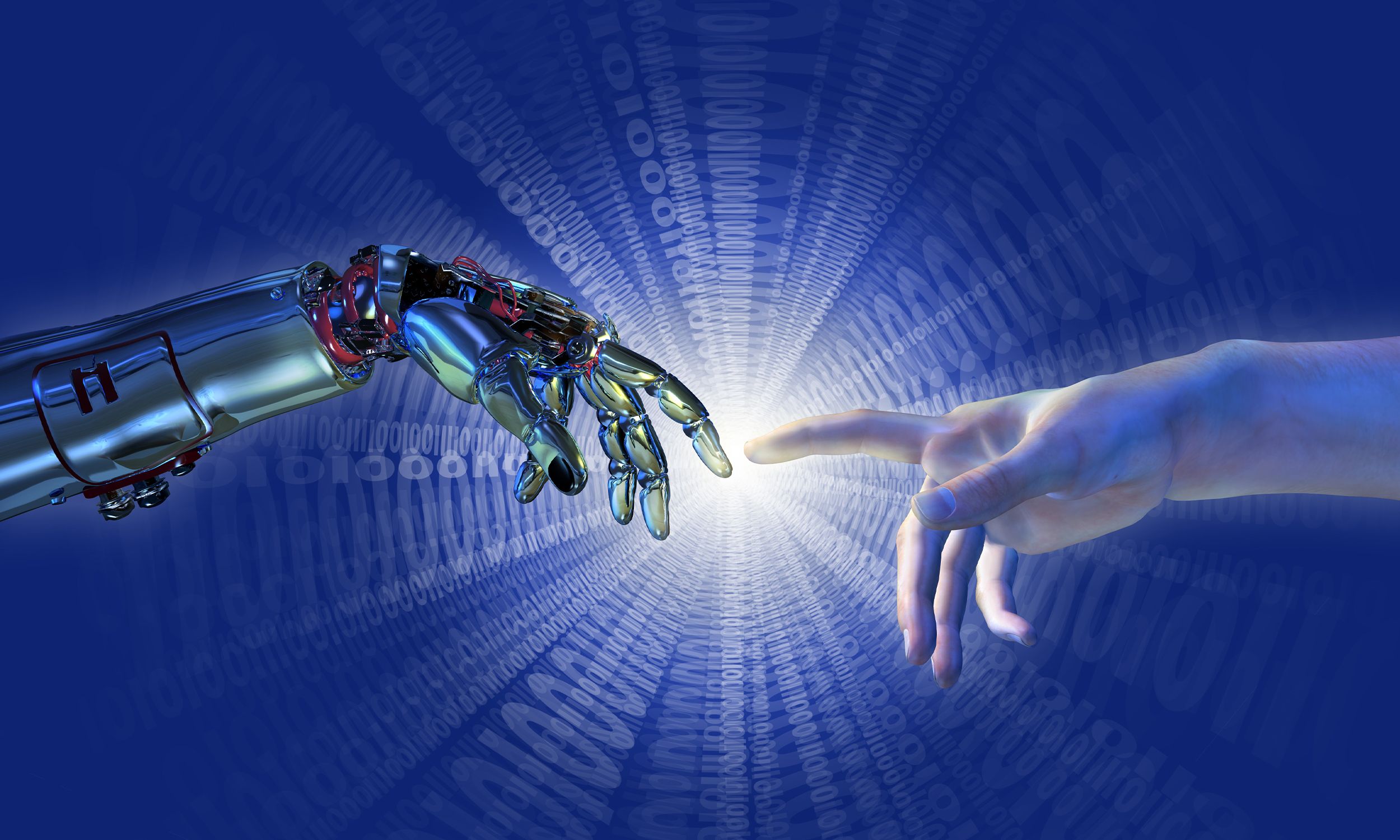
CoordinateHQ streamlines project management by reducing clutter and enhancing focus through intuitive interfaces and intelligent task prioritization. By integrating seamlessly with existing tools and employing AI-driven insights, it simplifies collaboration and boosts team productivity
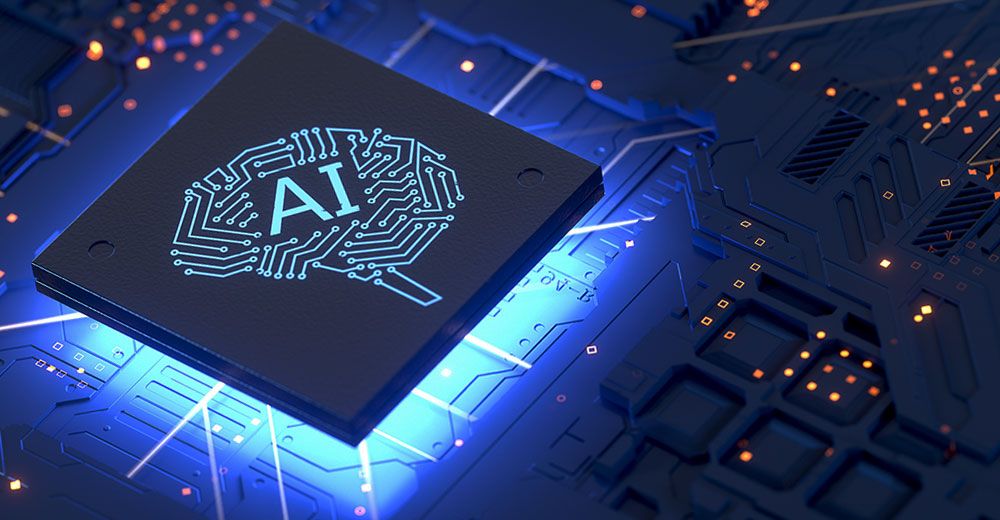
Standout tech products of 2023 include the Apple Vision Pro, a cutting-edge mixed reality headset; the Tesla Model S Plaid, featuring advanced autonomous driving capabilities; the Nvidia RTX 4090 GPU, delivering unprecedented graphics performance.

Nvidia, a leader in AI technology and semiconductor manufacturing, could pioneer the appointment of an AI CEO. Leveraging advanced machine learning and data analytics, an AI CEO could enhance strategic decision-making and operational efficiency..
The Chip Wars of 2024 could see powerful cell phones challenging laptops, thanks to advancements in mobile processors. Enhanced performance, portability, and connectivity might lead smartphones to rival, or even surpass, traditional laptops in functionality and usage

Creating a viral tech blog from scratch and selling it for six figures involved identifying trending tech topics, producing engaging content, and leveraging SEO and social media strategies to grow the audience.
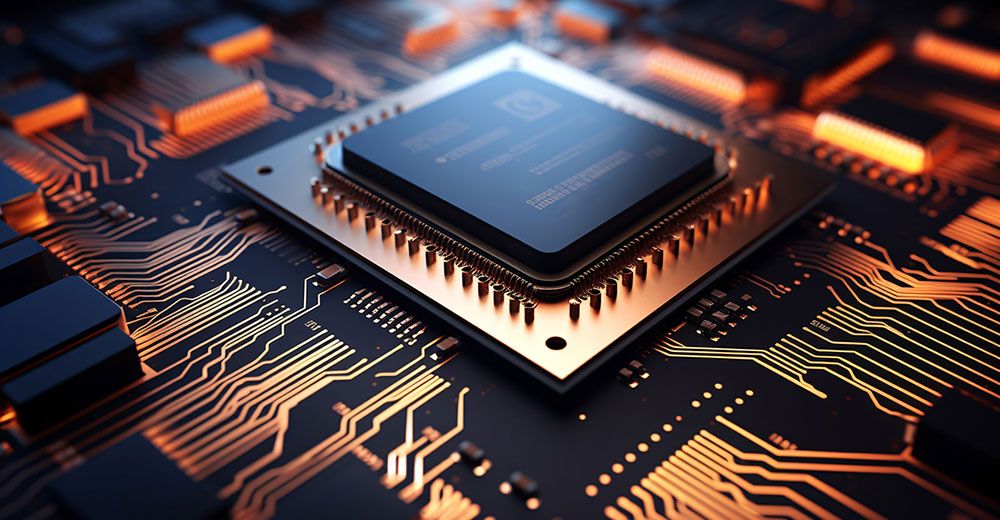
Human-Centered AI focuses on designing AI systems that enhance human capabilities and ensure ethical, inclusive outcomes. Preventing widespread future unemployment involves integrating AI to augment jobs, fostering continuous skill development, and implementing supportive economic policies
AI-enabled processors could drive a PC supercycle this year by significantly boosting performance and enabling advanced applications. This innovation is expected to stimulate demand in both consumer and enterprise markets